A plastic‑free nature
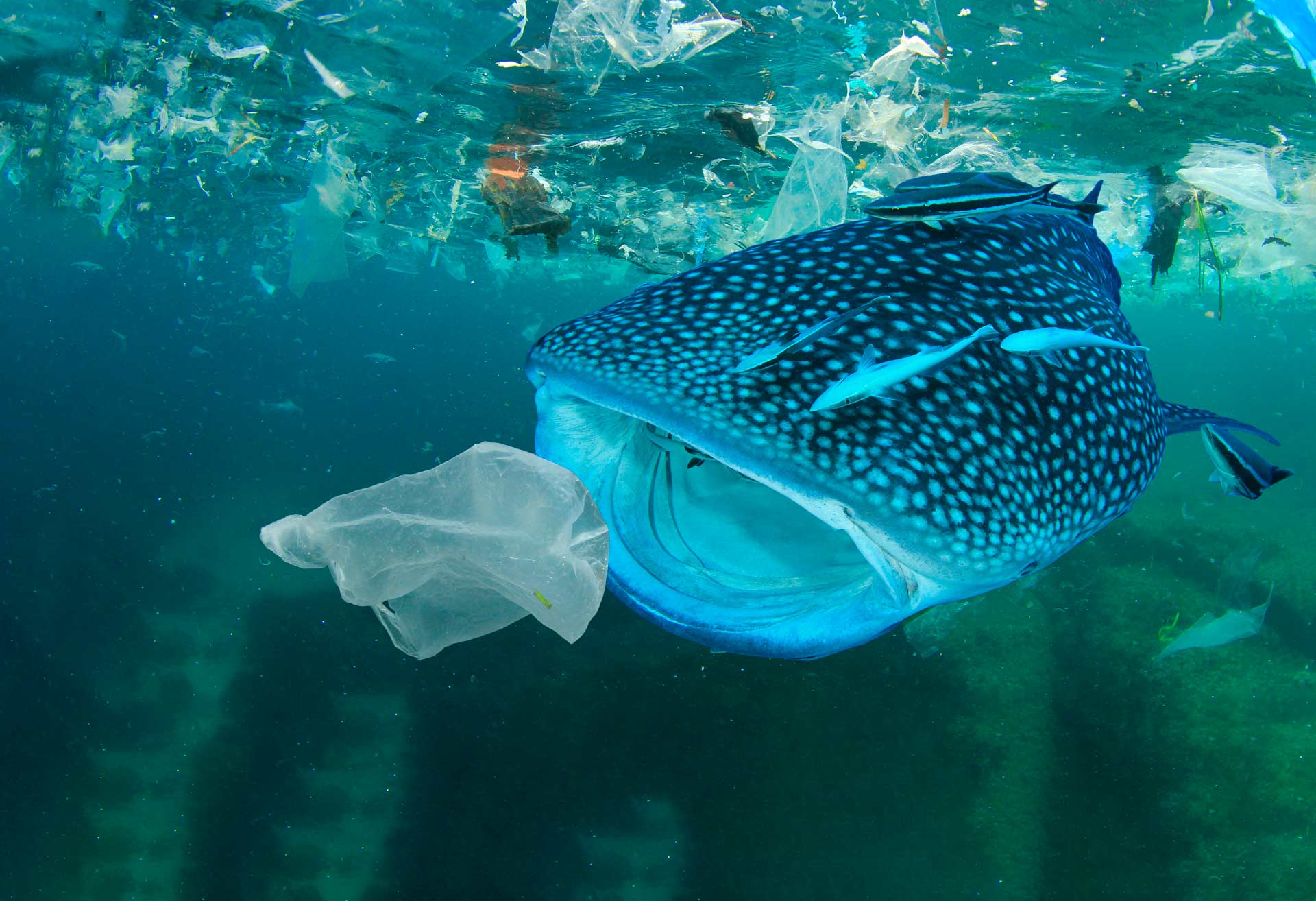
PLASTIC IS CHOKING WILDLIFE
On average, more than 820,000 tons of plastic are produced. Every single day.
Unfortunately, a large portion of that plastic ends up in nature, and it is catastrophic for the planet’s wildlife. Animals mistake plastic for food and eat it. Once it enters their system, it is too late.
New research shows that half of the world’s turtles and 90 percent of all seabirds have plastic in their stomachs. Pollution on this scale is a ticking time bomb for the planet’s wild species!
DEMAND A PLASTIC-FREE NATURE
Plastic in nature is a growing problem that costs millions of animals their lives every year.
Fortunately, a global plastics treaty is on the way, and while negotiations are ongoing, WWF is fighting to ensure that the agreement becomes ambitious, far-reaching, and binding.
With your signature, you can support our work. Demand a plastic‑free nature. Sign today.
PLASTIC IS DEADLY FOOD
When plastic ends up in nature, it becomes a killer. Plastic particles have been found in a range of seabirds, marine mammals, turtles, and fish. Plastic gives them a false sense of fullness and blocks nutrient absorption in the intestines. As a result, animals can starve to death even though they are “full” of plastic. Other animals get entangled in plastic while searching for food and end up drowning. When corals come into contact with plastic, they react as if struck by gangrene — they become sick and die.
Plastic also has a negative impact on the climate. It is made from fossil oil and emits CO₂ when extracted, produced, and eventually incinerated. There are many reasons to reduce our overall plastic consumption and recycle more of the plastic already in circulation.
A CIRCULAR ECONOMY IS THE WAY FORWARD
Even though plastic in nature is harmful, it’s hard to imagine a world without it. But today we throw away far too much plastic without reusing or recycling it. Much of it can be recycled multiple times, but this requires proper sorting — something we as consumers can help with by separating waste and making sure plastic ends up in the correct recycling bin.
In addition, plastic products must be designed for reuse and recycling from the start, and we must expand our circular economy. We need to think in terms of closed‑loop return systems, ensuring that recycled plastic is of high quality. This requires industry to produce plastic goods using as few plastic types as possible and to embrace eco‑design principles. That way, plastic products can be recycled multiple times, and we can stop burning plastic waste.
PLASTIC MUST BE REMOVED FROM NATURE
We can only win the fight against plastic pollution if we stand together. That is why we work on several levels to ensure that we use less plastic, use it smarter, and recycle more of it.
- We are active in nature. We collect plastic waste from oceans and coastlines in places like Africa, Asia, and the Pacific.
- We inform consumers. We highlight the consequences of plastic consumption by documenting damage and showcasing solutions.
- We push policymakers. We advise politicians and decision-makers to reduce unnecessary plastic and treat it as a resource within the circular economy.
We think globally. We work toward a binding global agreement to end plastic leakage into the ocean. - We advise businesses. We form transformative partnerships with companies pursuing sustainable strategies to reduce their plastic footprint.